Context
Fusce sed enim gravida, pharetra lectus lobortis, consequat metus. Pellentesque vulputate odio nec erat congue, a tincidunt orci ornare. Nunc vehicula quis est vitae hendrerit. Phasellus quis fermentum est, ut aliquam tortor. Integer at est diam. Nunc maximus cursus euismod. Nulla et tellus non nibh aliquet lacinia. Nulla a mauris ac metus aliquet vestibulum sed eu metus. In sollicitudin ut leo vitae tincidunt. Donec faucibus metus efficitur, facilisis dolor a, scelerisque urna. Vivamus sapien odio, pellentesque sit amet sagittis vel, rutrum vel nisi. Duis ac ultrices urna, non auctor neque. Nunc sed risus tempus, dictum nulla a, accumsan orci. Vivamus condimentum turpis efficitur efficitur tempor. Ut in dictum leo. Vivamus sit amet mollis dolor.
The global industrial equipment servicing industry faces a severe structural crisis caused by an aging legacy workforce combined with a sharp decline in incoming novice technicians due to the perceived dangers of the job. Crucially, the industry suffers from critical safety lapses, including fatal field accidents occurring each year. A high percentage of these incidents happen because a technician forgets a single, foundational protocol: switching heavy machinery from “Normal Mode” to “Service/Inspection Mode” before stepping into high-risk mechanical zones. Because live industrial machinery is rarely available for open-ended trainee experimentation due to strict building operational demands, a scalable, high-fidelity VR safety training simulator was required to pitch directly to enterprise accounts, forcing the project to balance strict mechanical realism with high instructional impact.
Requirement
I assumed ownership of the technical architecture, system programming, and instructional design to build a functional, immersive safety simulation prototype. I was tasked with developing a robust system logic capable of mirroring complex machinery operations, designing immersive pedagogical structures that force active learning, creating diegetic guidance mechanisms, and prototyping automated scoring tools to evaluate user compliance without manual supervision.
Solution
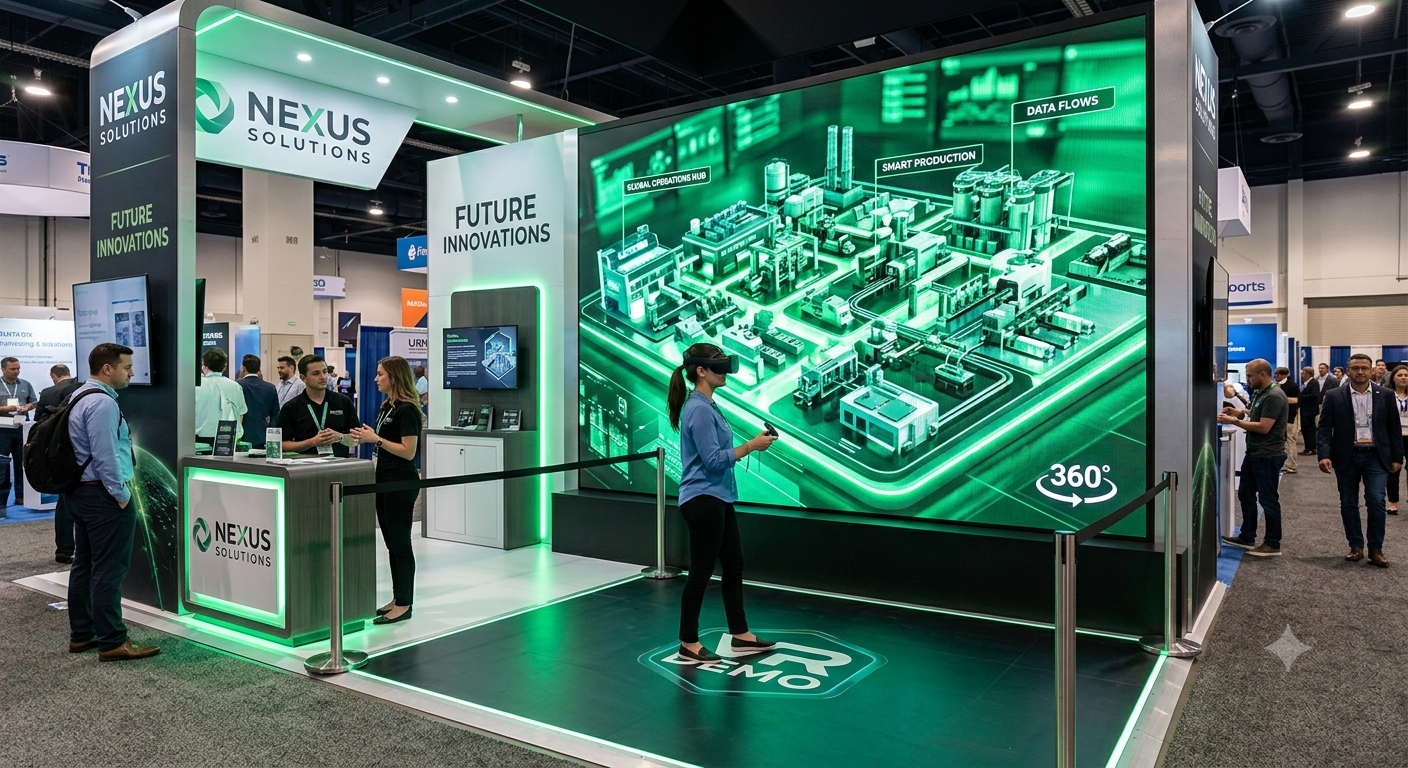
To maximize instructional impact, I bypassed traditional corporate training models that rely on passive video consumption or simple linear checklists, designing an active “learning by doing” loop instead. Trainees were placed inside a virtual replication of a standard field service day where they had to actively consult technical reference sheets, take digital notes, and execute complex mechanical steps, allowing users to make unguided errors and experience the immediate physical consequences of safety mistakes within a safe virtual space. I programmed the entire mechanical system of the industrial machinery from scratch using clean Object-Oriented Programming (OOP) State Machine patterns in C# within Unity, ensuring every single sub-system—down to the track alignment, structural components, safety interlocks, and emergency braking assemblies—was fully programmed to respond dynamically based on the exact sequence of user actions. To eliminate bulky text boxes and abstract menus that break immersion, I designed a dual-purpose spatial audio system featuring an NPC “Master Technician” character integrated into the scene to provide realistic, voice-guided support. This diegetic voice design served a dual role, acting as an in-game mentor for the trainee and functioning as a live narrator for executives during corporate sales pitches. Finally, working in specialized spatial design software like ShapesXR, I prototyped a companion automated assessment module that tracked industry-standard Safety Key Performance Indicators (KPIs) and hazard identification metrics, building branching logic paths and clear programmatic fail-states to automatically evaluate safety compliance.
Outcome
The initial high-fidelity prototype delivered an immediate business win, securing a major new multi-national industrial account for the company and earning widespread praise from corporate business unit leadership. The success of the pilot expanded the project’s long-term budget and scope, leading to the assignment of a dedicated 13-person cross-functional team comprising 3D modelers, UI designers, and specialized developers to scale visual fidelity and integrate advanced hand-tracking pipelines under my guidance. Ultimately, the simulator proved that automated, state-driven spatial applications could accurately replicate dangerous enterprise environments, eliminating the need for expensive, live human instructors to monitor preliminary training runs while successfully mitigating real-world operational risk.